
White chocolate stands out for its unusual composition and its palette of soft and creamy flavors, often underestimated yet captivating. Unlike dark or milk chocolate, white chocolate does not contain cocoa solids; it is made from cocoa butter, sugar, and milk. It is precisely the absence of cocoa solids that gives it its ivory color and silky texture. Unlike other varieties of chocolate, white chocolate offers unparalleled sweetness, accentuated by the milky flavor of powdered milk included in its recipe. The techniques used in white chocolate making help preserve this characteristic sweetness. Cocoa butter, the main ingredient, is extracted from the cocoa bean and gives chocolate its creamy consistency. One of the challenges in manufacturing lies in tempering, which aims to ensure the shine and fine texture of the chocolate. In pastry-making, white chocolate is prized for its ability to pair with a variety of ingredients, bringing a soft and creamy touch to desserts. It blends beautifully with acidic fruits like raspberries or citrus and can serve as a base for ganaches and glazes, bringing elegance and subtlety to each creation.
Milk chocolate, appreciated for its ideal balance between sweetness and richness, is the result of a meticulously crafted recipe that appeals to many taste buds. The process includes the integration of powdered milk or condensed milk, which softens the natural taste of cocoa and adds a creamy and velvety note. This harmonious marriage of cocoa, milk, and sugar produces a tasting experience that combines smoothness and sweet delicacy. The soft and smooth texture of milk chocolate makes it perfect for use in cooking, especially in the making of bars, truffles, or chocolate mousses. It is also the favorite of chocolate artists due to its malleability and universally appreciated taste. The conching process, a period during which the chocolate is agitated at high temperature, plays a crucial role in refining its paste and balancing the flavors. This step ensures the typical roundness and finesse of milk chocolate. In addition to its practical use in traditional desserts and chocolate molds, milk chocolate lends itself to creative pairings with flavors like caramel, coconut, or hazelnuts. Its ability to adapt to different culinary techniques while maintaining its signature sweet and comforting feel makes it a valuable ally for chefs and sweet delicacy lovers.
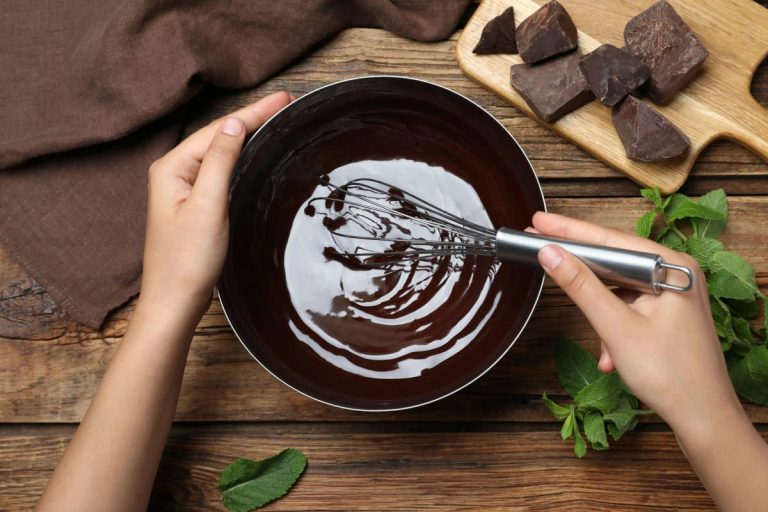
Dark chocolate, known for its intensity and richness, composes a robust and unique tasting experience, prized by connoisseurs. Its composition relies mainly on a high cocoa content — often more than 70% — with little or no milk, which gives it its dark color and pronounced taste. It is precisely this cocoa concentration that forms a complex flavor profile, ranging from fruity notes to more bitter and full-bodied tones, depending on the origin of the beans. Dark chocolate manufacturing processes highlight precise methods intended to preserve and enhance its natural aromas. At the heart of this production lies the roasting process of cocoa beans, which must be carefully conducted to balance bitterness and release the desired aromatic nuances. Tempering is also essential to achieve the glossy finish and perfectly crispy texture of the chocolate. Beyond its taste qualities, dark chocolate is appreciated in cooking for its potential health benefits, rich in antioxidants and flavonoids. It is the ingredient of choice for creating sophisticated desserts such as ganaches for tarts, soufflés, or even fondues, where its intense flavor enhances the whole dish. Moreover, its reduced sugar content compared to other chocolates makes it an interesting option for adding depth to savory dishes, such as meat sauces or spices.