
Fermentation is a crucial step in cocoa production, playing a decisive role in developing the aromas and flavors that will determine the final chocolate. This process helps eliminate the mucilaginous pulp surrounding the beans, while transforming their chemical compounds through enzymatic and microbial activities. Without fermentation, cocoa would have a bitter and astringent taste with unpleasant sensory profiles. When the beans are fermented, a cascade of biochemical reactions is triggered. The sugars in the pulp begin to break down under the action of yeasts, generating alcohol and carbon dioxide. This initial process activates a sequence of biological reactions contributing to the formation of aroma and flavor precursors. For example, volatile fatty acids are produced, which directly influence the final taste of fermented beans. Then, lactic and acetic bacteria take over, converting alcohol into lactic and acetic acids. These acids then diffuse inside the beans, contributing to the formation of various aromatic compounds. This process also allows the beans to develop a complex aromatic palette that includes notes of fruits, flowers, and even caramel. It is also crucial to note that fermentation has a direct impact on the color of the beans. Polyphenols, compounds responsible for astringency and bitterness, are oxidized and polymerized during this step, thus reducing these undesirable characteristics. Therefore, well-mastered fermentation can transform a crop of cocoa beans into an exceptional product, ready to be turned into high-quality chocolate.
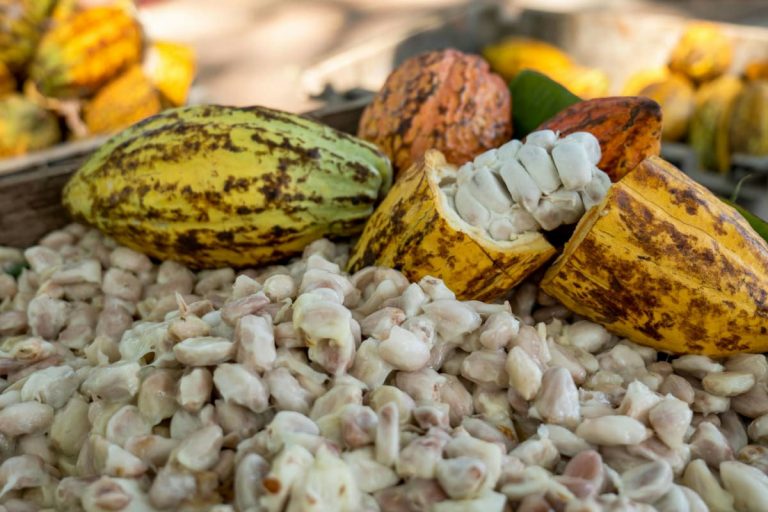
Before fermentation begins, the initial preparation of cocoa beans is an indispensable step to ensure uniform and effective fermentation. This preparation starts with the harvesting of cocoa pods, followed by the extraction of beans and pulp. This operation demands great precision, as the quality of freshly harvested beans sets the basis for the fermentation process. Immediately after harvesting, the pods are opened, usually with machetes. The beans are manually extracted to avoid any damage to their structure, which could compromise subsequent fermentation. Each pod contains between 20 and 50 beans, surrounded by a viscous pulp that covers them. This pulp is rich in sugars, making it particularly conducive to fermentation. The beans and pulp are then placed in fermentation containers where they remain for several days. Containers can vary, ranging from wooden boxes to jute sacks, to pits dug into the ground. Each fermentation method offers advantages and disadvantages, affecting heat and oxygen distribution. It is crucial to ensure adequate aeration from the start of the process. Containers must allow proper ventilation to promote aerobic yeast activity, which are the first to intervene in the fermentation process. Therefore, the stacking of beans must be controlled to avoid excessive compaction, which would prevent homogeneous fermentation. Finally, the cleanliness of equipment and containers is paramount to prevent undesirable microbial contaminations that could alter the final taste of the beans. Thus, producers ensure that cocoa beans are well-prepared and ready to undergo optimal fermentation.
The fermentation of cocoa beans takes place in several distinct phases, each playing a specific role in transforming the beans. There are primarily two fermentation phases: the aerobic phase and the anaerobic phase, each bringing about crucial biochemical and microbiological transformations for the development of the characteristic aromas and flavors of cocoa. First, the aerobic phase begins as soon as the beans are placed in fermentation containers. Aerobic yeasts, naturally present on the surface of the beans and in the environment, start breaking down the sugars in the mucilaginous pulp. This breakdown produces alcohol and carbon dioxide. The temperature at this stage is relatively low but starts to increase as yeasts consume the sugars. The biochemical transformation during this phase creates favorable conditions for lactic bacteria. These take over by breaking down the remaining sugars to produce lactic acid, which lowers the pH of the environment. The presence of this acid is essential as it helps control microbial populations and prepares the ground for the anaerobic phase. Then, the anaerobic phase begins when oxygen becomes limited in the mass of beans. Acetic bacteria then take over, converting the alcohol produced during the previous phase into acetic acid. This process is exothermic, generating a significant amount of heat. The temperature can reach up to 50°C, helping to kill unwanted germs and continue the polymerization of polyphenols. During this phase, the formed acids penetrate the beans and initiate internal changes. Internal enzymes denature, cells break down, and new aromatic compounds and flavor precursors form. The beans change from their initial color to darker shades, a visual sign of internal transformations. It is essential to stir or turn the beans regularly, about every two days, to homogenize the temperature and ensure uniform fermentation. This turning also introduces oxygen, temporarily restarting the aerobic phase and promoting microbial diversity, essential for good aroma development. The different fermentation phases generally last between 4 to 7 days, but the duration can vary based on quality objectives and local conditions. Each step, from the entry of yeast fermentation to the action of acetic bacteria, is essential to create the final aromatic profile of cocoa beans.
The quality of cocoa bean fermentation depends on several critical factors that interact to determine the final sensory profile of the product. Parameters such as temperature, process duration, and bean movement management must be rigorously controlled to ensure successful fermentation. Temperature is one of the most influential factors in fermentation. During fermentation, the internal temperature of the beans can reach up to 50°C. An optimal temperature promotes adequate microbial activity, favoring the yeasts and bacteria essential to the process. However, excessive temperature can kill these beneficial microorganisms, prematurely halting fermentation and leading to inappropriate flavor development. Conversely, too low a temperature can slow desired biochemical transformations, unnecessarily prolonging the process. The duration of fermentation is also critical. Too short a fermentation may not allow biochemical reactions to be fully completed, leaving beans with bitter and astringent flavors. Prolonged fermentation, however, can lead to organoleptic defects, such as dull tastes or altered texture. Typically, cocoa bean fermentation varies from 4 to 7 days, but this duration can be adjusted based on terroir specifics and cocoa varieties. The movement management of the beans, notably turning, is another essential parameter. Beans must be stirred regularly to ensure even distribution of heat and oxygen, and to prevent ‘hot spots’ that could damage certain portions of the batch. Turning the beans, usually done every two days, provides the necessary oxygen for the aerobic phase of fermentation and helps evacuate the produced carbon dioxide and alcohol. Ambient humidity and air circulation are additional factors influencing fermentation. High humidity can promote the growth of unwanted molds, compromising the quality of the beans. Good air circulation, preferably under natural ventilation conditions, helps maintain adequate moisture while allowing sufficient evaporation of liquid fermentation by-products. Finally, regularity and cleanliness of the process are paramount. The choice of fermentation containers (boxes, baskets, pits) must account for their ability to facilitate effective control of internal conditions. Equipment must be cleaned and disinfected between each fermentation cycle to avoid cross-contamination.
Fermentation has a major impact on the sensory profile of cocoa beans, directly influencing the taste, smell, and texture of the final product. Biochemical and microbial transformations during fermentation enrich the beans with aromatic compounds and modify their internal structures, thus shaping the organoleptic characteristics of chocolate. The impact on taste is probably the most notable. During fermentation, polyphenols and flavonoids in the beans undergo chemical transformations, thus reducing the inherent astringency and bitterness of raw cocoa. Sugars, especially the pulp monosaccharides, are broken down by yeasts to produce alcohols and organic acids. These organic acids combine with volatile compounds to form aroma precursors such as esters and phenols, contributing to the fruity, floral, and spicy notes of fermented cocoa. The smell of cocoa beans is also deeply affected by fermentation. The formed esters and other volatile compounds generate a rich aromatic palette reminiscent of caramel, ripe fruits, and sometimes floral notes. The evolution of these aromatic compounds continues through drying and roasting, but the foundations are laid during fermentation. The texture of the beans undergoes modifications because fermentation leads to the denaturation of proteins and internal cell structures. When beans ferment at high temperatures, internal cells burst, making the beans more friable and facilitating their subsequent transformation into cocoa liquor. This structural modification also improves the efficiency of grinding and blending during subsequent chocolate production stages. Post-fermentation drying is crucial to stabilize the beans and preserve their new sensory characteristics. Poor drying can ruin the fermentation work by promoting undesirable secondary fermentations that would alter taste and smell. When properly dried, beans retain the aromatic subtleties developed during fermentation. It is also important to note that fermentation affects the color of the beans. The oxidation of polyphenols during this process leads to color changes, typically from white or purple to dark brown, indicating that the beans are well-fermented and ready for subsequent processing steps. In conclusion, the fermentation of cocoa beans is an essential step to obtain a superior quality final product. Each phase, from the breakdown of sugars to the formation of complex aromas, contributes to shaping a unique sensory profile, essential for the preparation of fine and flavorful chocolates.