
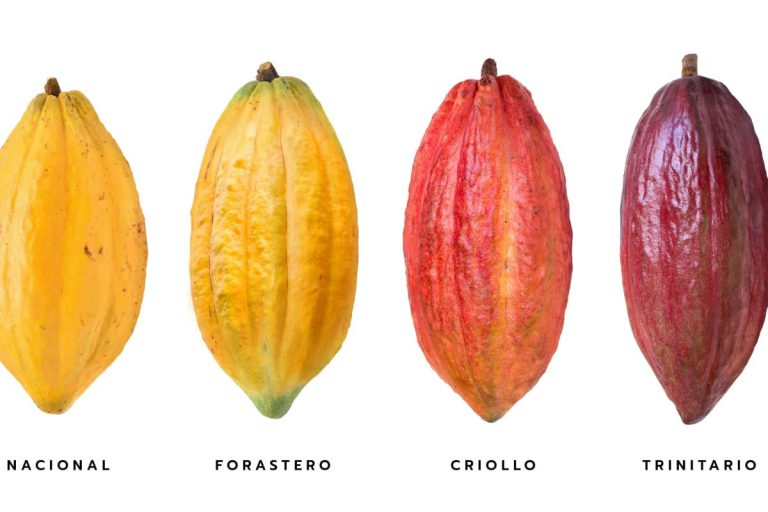
Cocoa, the precious bean transformed into chocolate, comes from several distinct varieties, the most notable being Trinitario and Nacional. Each of these varieties has a fascinating history and distinct geographical origins that have shaped their development. Trinitario cacao has its roots in the fertile lands of Trinidad and Tobago. Discovered in the 18th century, this cacao is actually the result of a cross between Criollo varieties, known for their rarity and superior quality, and more robust and productive Forastero varieties. The rise of this type of cacao is intimately linked to the agricultural disasters of colonial times, notably a disease that devastated Criollo crops. Farmers then favored crossbreeding to obtain a more resistant plant without completely sacrificing taste quality. Thus, Trinitario became a globally prized variety of cacao. At the other end of the geographical and historical spectrum, we find Nacional cacao, a heritage treasure of Ecuador. Sometimes called ‘Arriba’ in reference to the upstream growing regions along the Guayas River, this pure cacao was discovered by European explorers in the 16th century. Today, it is celebrated for its fine aromatic profiles, the result of a unique terroir and farming techniques passed down through generations. Nacional has nevertheless faced similar threats as Criollo, with plantations heavily affected by diseases, but modern restoration and preservation initiatives are attempting to restore its former glory. Thus, Trinitario and Nacional hold prominent places in world cacao history, each with its challenges and triumphs. Trinitario is a symbol of agricultural resilience and skillfully orchestrated hybridization, while Nacional embodies the preservation of agricultural heritage and the quest for genetic purity. These distinct stories enrich the complexity and diversity of the chocolate we savor today.
Tasting Trinitario and Nacional cacaos offers very distinct sensory experiences, reflecting their botanical and geographical origins. Each possesses unique aromatic and taste characteristics that appeal to chocolate lovers in different ways. Trinitario cacao is particularly renowned for its complex aromatic profile. During tasting, one can detect a range of gourmet notes ranging from red fruits to floral aromas, with a hint of citrus at times. Its deep flavor oscillates between fruity and spicy, often with a sweet introduction followed by notes of caramel, honey, and sometimes a slightly woody finish, giving it a rich and diverse organoleptic dimension. The texture of chocolate made from Trinitario is generally velvety, offering a complete and pleasant sensory experience with every bite. On the other hand, Nacional cacao is celebrated for its particularly intense and distinct floral and fruity aromas. Nacional chocolate presents a bouquet of aromas including jasmine, roses, and sometimes even orchids, a characteristic that distinctly sets it apart from its cocoa cousins. The flavor is rich and earthy with pronounced tones of tropical fruits like banana and passionfruit. There are also lightly nutty notes and an elegant acidity that beautifully balances the overall sweetness. The texture is smooth and intensely fine due to a typically higher cocoa butter content. In summary, the aromatic palette of Trinitario cacao is characterized by its diversity and harmony between fruity and floral flavors, while Nacional stands out for its intense floral aromas and complex fruity flavors. These sensory characteristics make Trinitario a versatile option for various types of chocolates and pastries, whereas Nacional, with its unique profile, is often reserved for premium products where its qualities can be fully appreciated. Their contrast not only serves to diversify the range of chocolates on the market but also enriches the tasting experience for the most discerning consumers.
The cultivation and harvesting methods of Trinitario and Nacional cacaos vary according to their adaptation to local conditions, but also share traditional techniques that have stood the test of time. An analysis of cultural practices reveals both marked contrasts and interesting parallels. Trinitario cacao, cultivated mainly in the Caribbean and some Latin American countries, benefits from both traditional and modern techniques. Traditionally, Trinitario cacao beans were grown in polyculture, alongside other tree species, thus promoting biodiversity and better soil management. Nowadays, these crops also benefit from modern agronomic practices such as controlled irrigation, the use of organic fertilizers, and ecological pest management. The harvest of cacao pods is generally done by hand, to ensure careful selection of mature fruits while preserving the tree for future harvests. Fermentation of the beans, a crucial step for flavor development, is often carried out in wooden boxes, followed by a period of sun drying to prevent mold and ensure optimal quality. In Ecuador, the cultivation of Nacional cacao also enriches the local agricultural landscape with methods often perceived as artisanal and traditional. Nacional cacao plantations are mostly small family farms, continuing ancestral techniques of growing and processing beans. Nacional cacao plants are cultivated under shade, typically in association with local fruit trees, favoring not only biodiversity but also a more balanced ecosystem. The harvest is exclusively manual, followed by fermentation processes in bags or wooden boxes that last several days to allow the optimal development of complex aromas. Drying is likewise traditionally done in the sun, although some farms adopt controlled drying methods to meet larger volume demands without sacrificing sensory quality. Thus, while modern techniques have been partly adopted by Trinitario producers to increase productivity and quality, both varieties share a strong tradition of manual and ecological methods. What distinguishes their cultural practices lies mainly in aspects of biodiversity and the degree of craftsmanship involved, both of which play a crucial role in the final profile of cacao beans. An intimate understanding of these techniques is essential to fully appreciate the quality and complexity of Trinitario and Nacional chocolates.
The chocolate and gastronomy industry greatly values the particularities of Trinitario and Nacional cacaos, each finding specific applications according to its unique sensory characteristics. The way these beans are processed and integrated into various culinary products speaks to their importance and adaptability. Trinitario cacao, with its rich and complex aromatic profile, is highly appreciated in the production of fine chocolates. Its versatility allows chocolatiers to play on a wide range of flavors. An emblematic example is couverture chocolate used by pastry chefs to coat confections and sophisticated desserts. Its velvety texture and balanced aromatic notes make it a favorite choice for products such as ganaches, truffles, and pralines. Moreover, its fruity and citrus touches can be highlighted in desserts where acidity and sweetness complement each other, such as in certain chocolate mousses or artisanal ice creams. Nacional cacao, known for its intense floral and fruity aromas, is often used in high-end products, meant for discerning connoisseurs. Chocolate made from these beans is frequently presented as single-origin bars, allowing the Ecuadorian terroir to be tasted in all its purity. Nacional chocolate is also highly prized for making niche products like high-cocoa-content dark chocolate bars, where its floral aromas can be fully appreciated. In gastronomy, it finds its place in bold recipes like chocolate sauces to accompany savory dishes, a practice inspired by traditional Mexican cuisine that exploits the sensory complexity of these beans. Furthermore, derivative products like cacao powders and cacao butters from these two varieties are used to enrich various culinary preparations. Trinitario and Nacional cacao powders can transform chocolate drinks into true taste experiences or be integrated into sophisticated pastry recipes where the finesse of the aromas plays a crucial role. In conclusion, the applications of Trinitario and Nacional cacaos in the chocolate and gastronomy industry are diverse and take advantage of their unique aromatic profiles. Trinitario lends itself to a wide variety of products thanks to its versatility, while Nacional is often reserved for the most refined creations where its singular characteristics can be fully exploited. These uses testify to the importance of understanding and valuing the particularities of each variety to create exceptional chocolate products and gastronomic experiences.
The economic importance and sustainability aspects of Trinitario and Nacional cacaos are crucial elements influencing both global cacao markets and the local communities that depend on them. These cacao varieties are not only gastronomic treasures but also vital economic resources for many producers. Trinitario cacao holds a significant place in the global cacao trade, particularly in premium market segments. Thanks to its sought-after aromatic profile, Trinitario is often sold at higher prices than more common varieties like Forastero. This positioning in the high-end market brings substantial revenue to producing countries such as Trinidad and Tobago, Venezuela, and certain regions of Central and South America. Initiatives like fair trade and organic certifications have also fostered a better distribution of profits within producing communities, contributing to fairer working conditions and environmental preservation. Nacional cacao, although produced in smaller quantities compared to other cacao varieties, plays a crucial role in the Ecuadorian economy. Nacional cacao beans, often considered a luxury, can reach extremely high prices on international markets. This unique cacao is often a source of national pride, and its production is supported by government programs and non-governmental organizations aimed at promoting its conservation and fair trade. The preservation of this variety involves careful resource management and sustainable farming practices that promote biodiversity and the health of local ecosystems. Sustainability aspects are further strengthened by reforestation projects and initiatives enhancing the resilience of producers against climate change. The economic impact of these two cacao varieties also translates into job creation and better living conditions for the communities involved in their cultivation. However, challenges remain, particularly regarding crop diseases, global price fluctuations, and limited access to modern technologies for small producers. Sustainability and fair trade initiatives play a key role in addressing these issues, ensuring not only stable income for producers but also the longevity of environmentally respectful agricultural practices. In summary, Trinitario and Nacional cacaos are not only taste jewels; they also represent economic and environmental pillars for their respective growing regions. The quest for sustainability and equity in their production is essential to preserve the rich aromatic quality of these beans while supporting future generations of cacao farmers. Their economic importance, integrated with social and environmental sustainability practices, makes these cacaos key players in the harmonious development of producing regions.